What Kind of Food You’ll Find Here
The recipes here come from the kind of food Japanese families actually cook and eat at home.
Some are traditional dishes. Others are recipes I’ve simplified for the way I cook today.
I studied cooking in Japan, and I use what I learned to decide what really matters in a dish — and what can be made easier without losing the flavor that makes it Japanese.
So you won’t always find the longest ingredient list or the most complicated method here.
You’ll find food I would actually cook at home.
Simple ingredients.
Japanese home cooking made for everyday life.
My Basic Japanese Pantry
These are the five I recommend starting with.
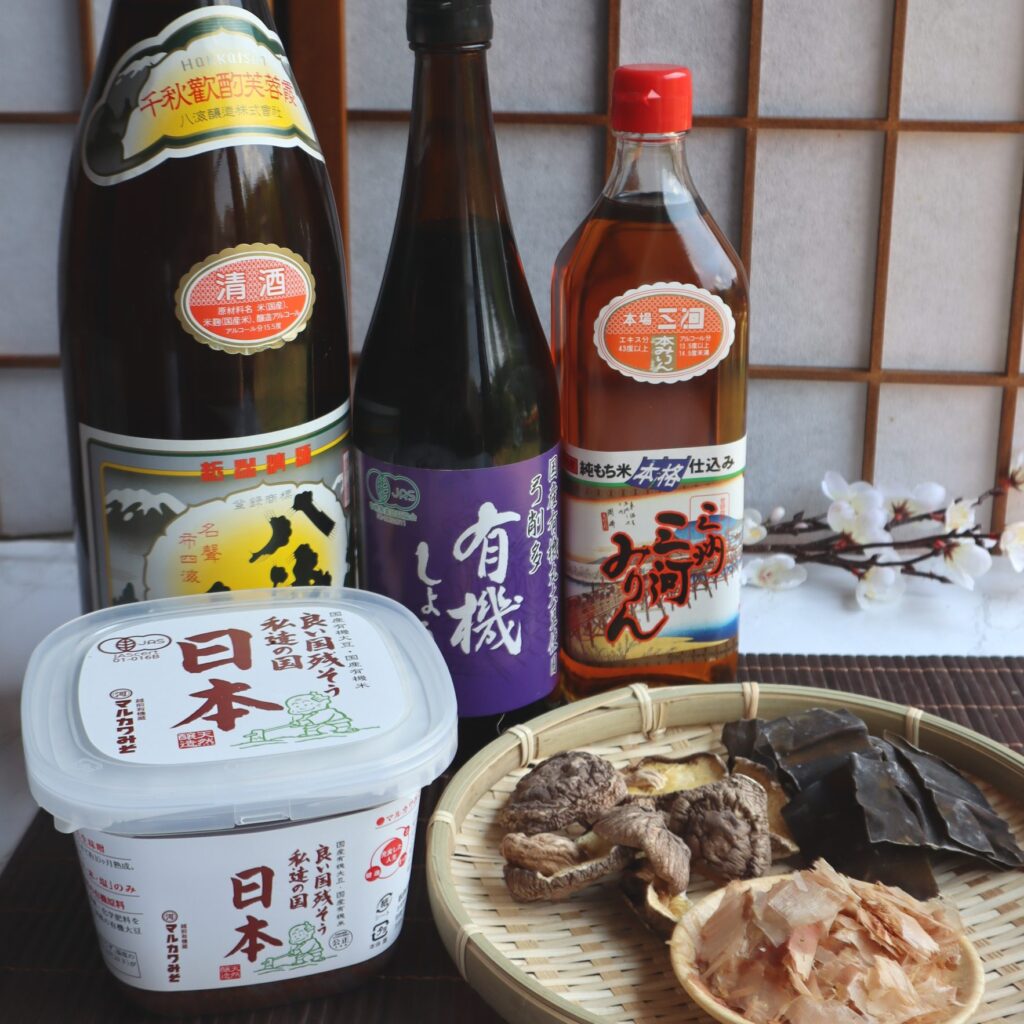
Soy Sauce
Soy sauce brings saltiness, depth, and umami to everything from simmered dishes to sauces and marinades.
Miso
Fermented soybean paste with a rich savory flavor.
You probably know it from miso soup, but I also use it in sauces, marinades, dressings, and everyday dishes.
Mirin
A sweet Japanese cooking seasoning that helps balance salty flavors and adds a gentle sweetness and gloss to dishes.
Sake
Sake adds depth to many Japanese dishes.
It helps remove unwanted odors, keeps ingredients tender, and adds depth without overpowering the other flavors.
Dashi Ingredients
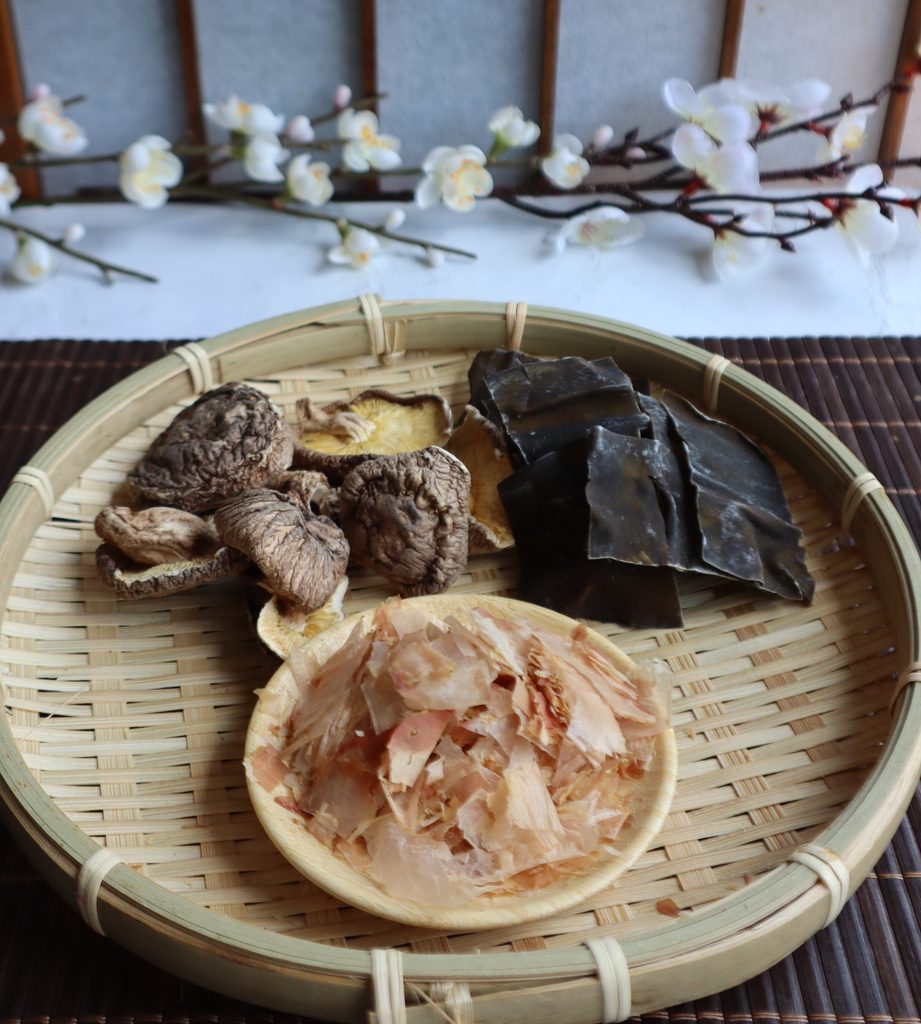
The heart of Japanese home cooking. Dried Kelp, Bonito flakes, Dried Mushroom.
A Few Extras to Add Later
Once you start cooking more Japanese food, these are useful to have around.
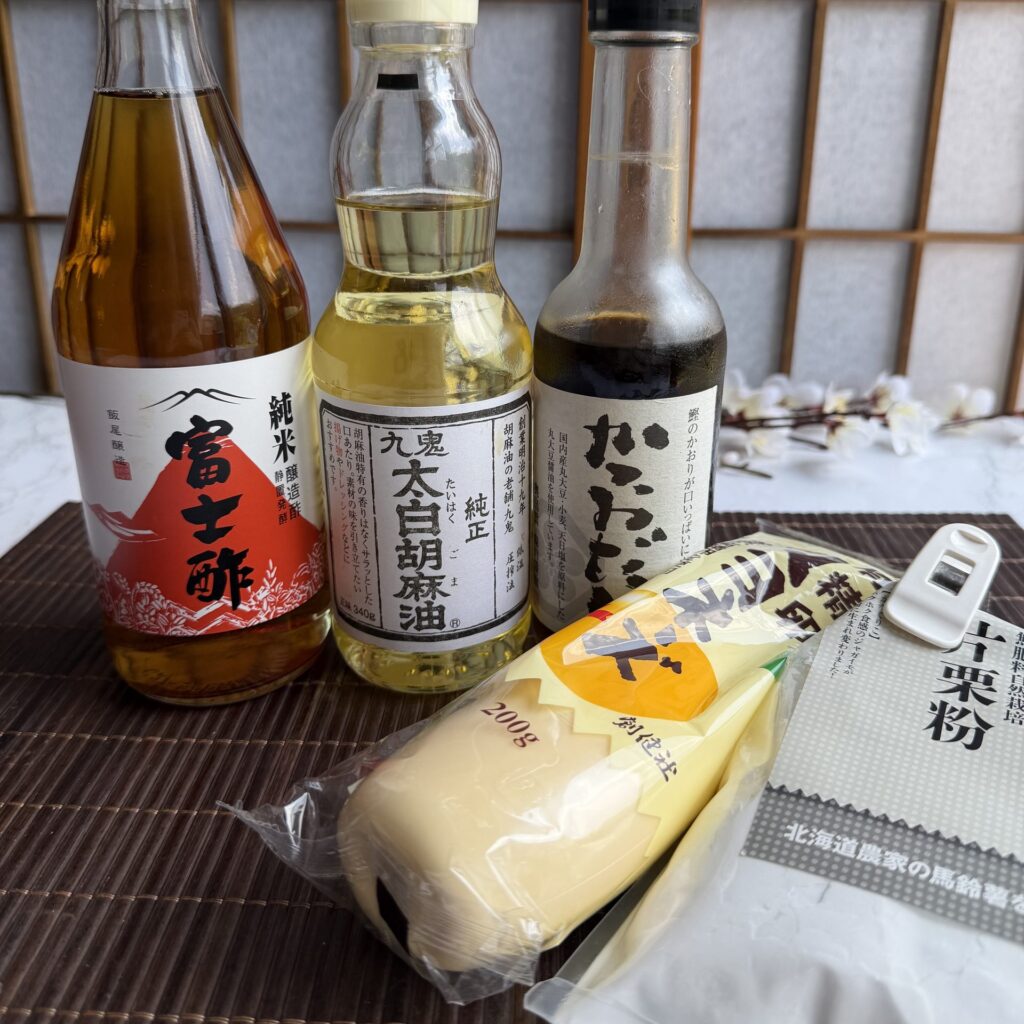
・Toasted sesame oil
・Rice vinegar
・Potato starch
・Japanese mayonnaise
・Mentsuyu (Japanese Soup Base)
But don’t feel like you need to buy all of them now.
Choose the dish you want to make first, then build your pantry as you go.
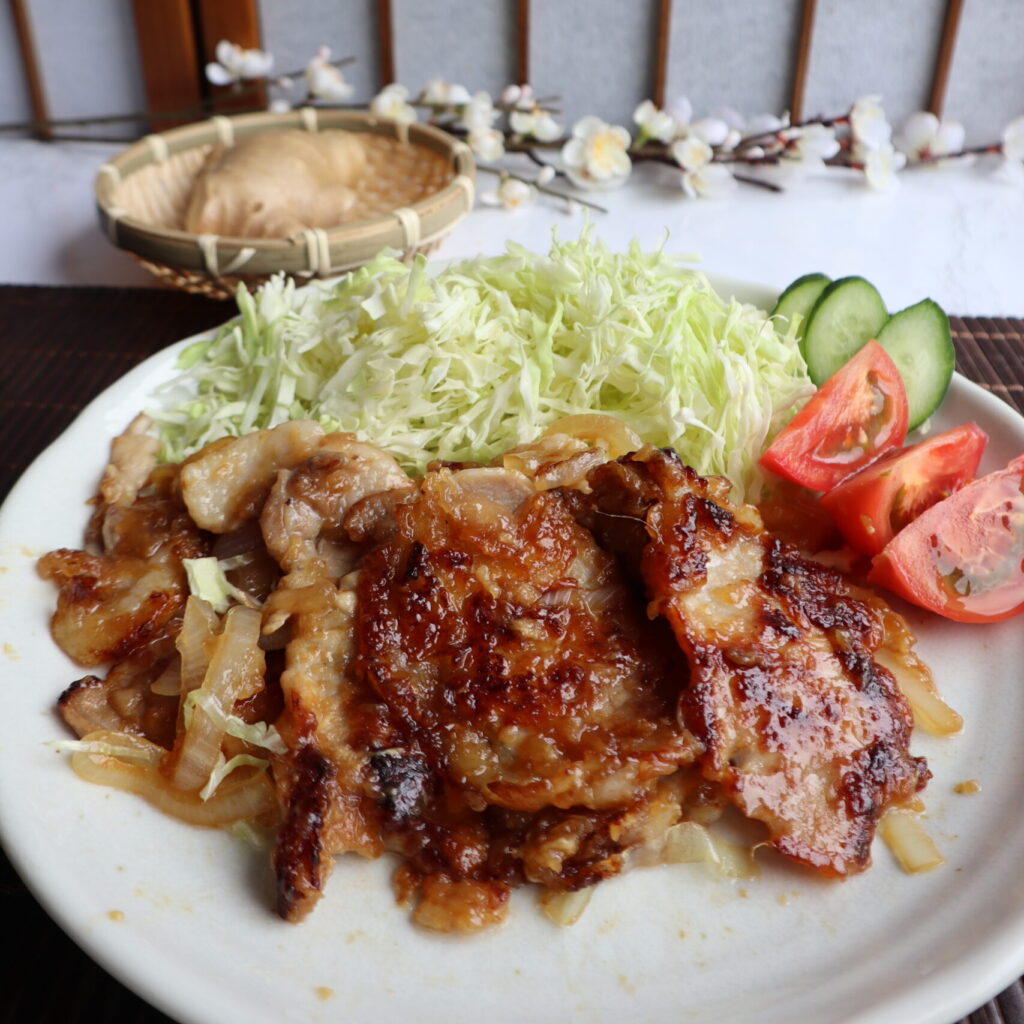
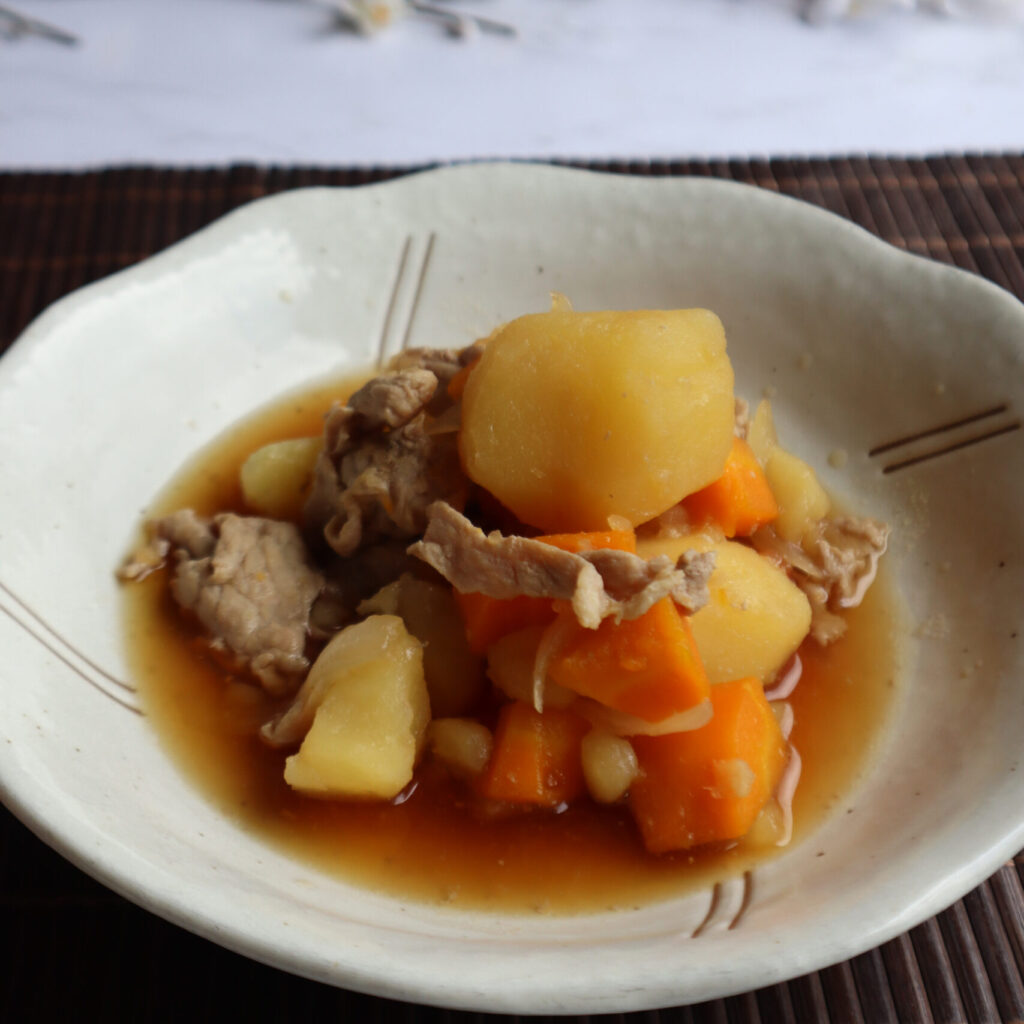
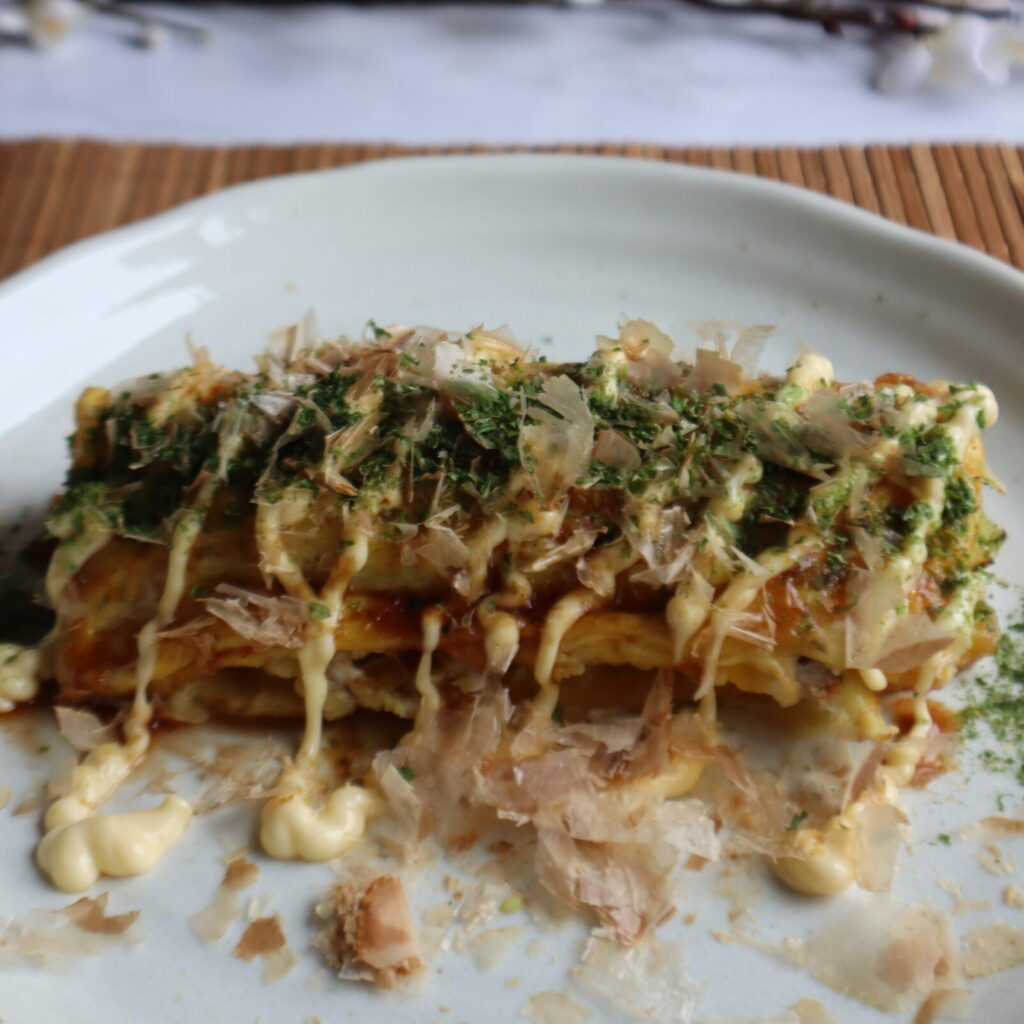
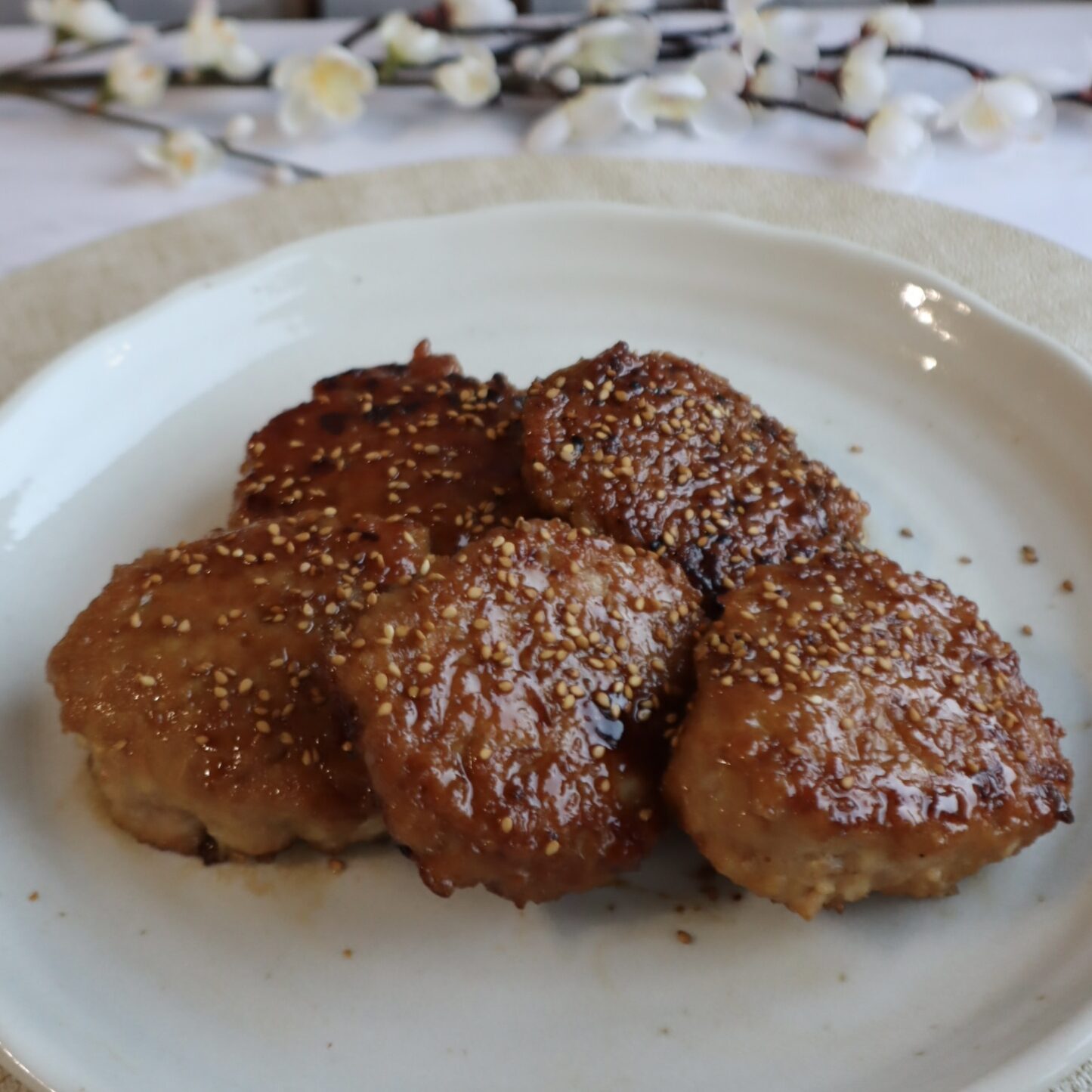
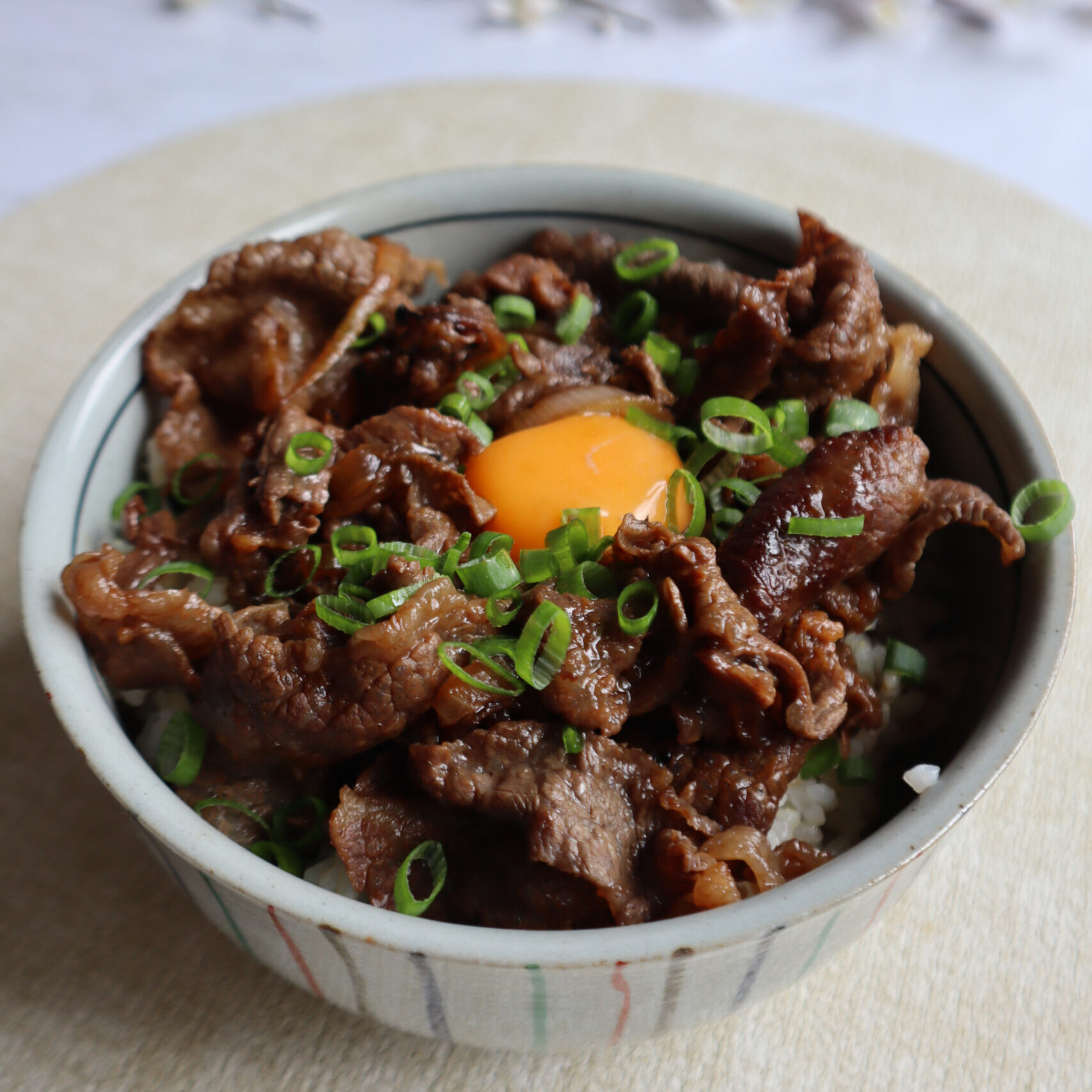
Popular Recipes to start with
Once you have a few basics, the easiest way to understand Japanese cooking is to actually use them.
These are good first recipes to try.
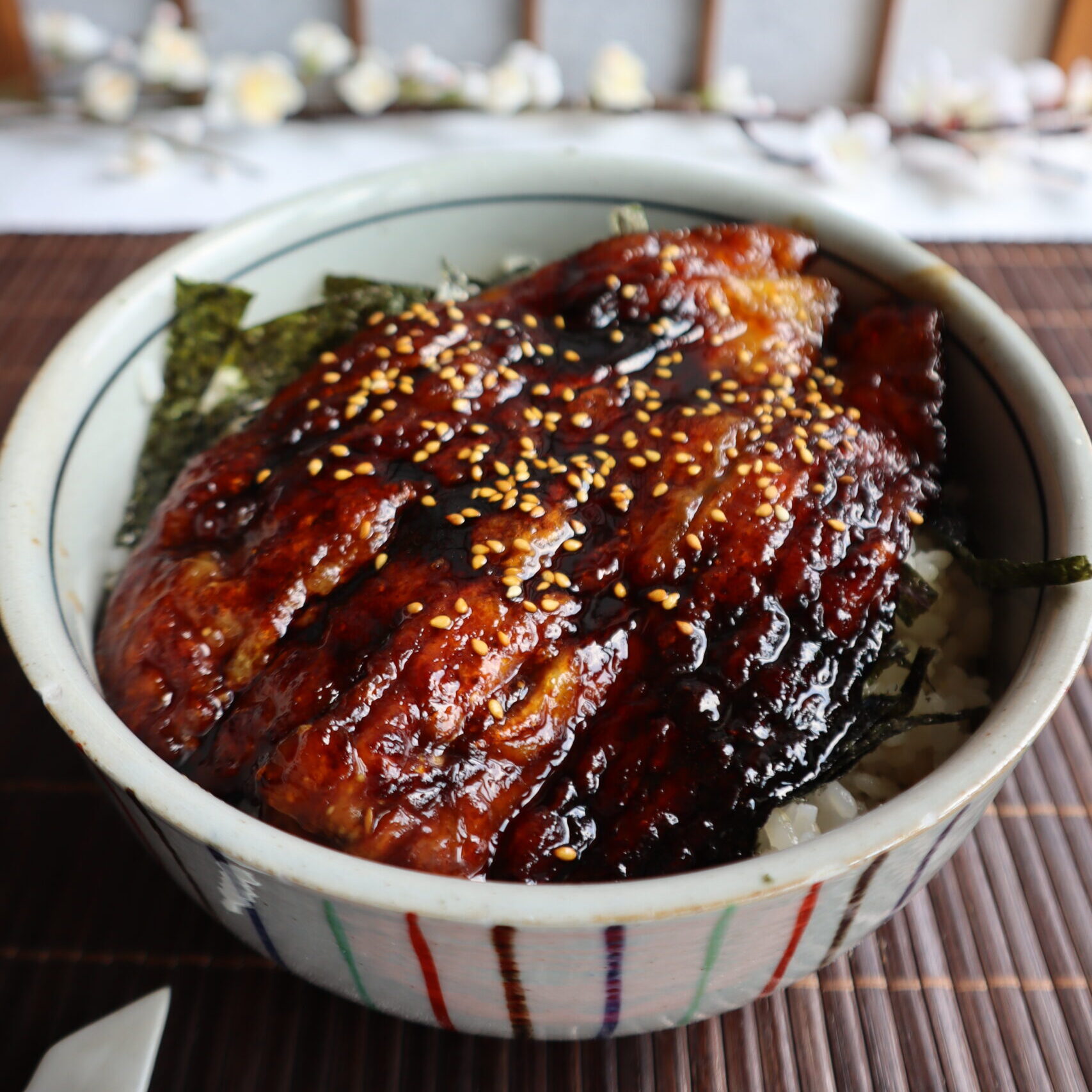
Start Cooking Japanese Food at Home
Not sure what to buy or what to make first?
Get my free Japanese Cooking Starter Guide: essential ingredients I use most, plus 10 popular recipes to help you get started.